Evaluate tannase for reducing tannin-driven bitterness, astringency, dark color, haze, and yield loss in plant proteins, extracts, teas, and botanical ingredients.
Request pricingPlant ingredients often carry the compounds that make them valuable — polyphenols, botanical character, color, and antioxidant positioning. The same matrix can also bring tannin-driven bitterness, astringency, darkening, haze, protein binding, and extraction inefficiency.
Tannase Enzyme Solutions supplies Tannase (Tannin Acyl Hydrolase) for evaluation in plant ingredient workflows where tannins need to be controlled without stripping away the identity of the raw material.
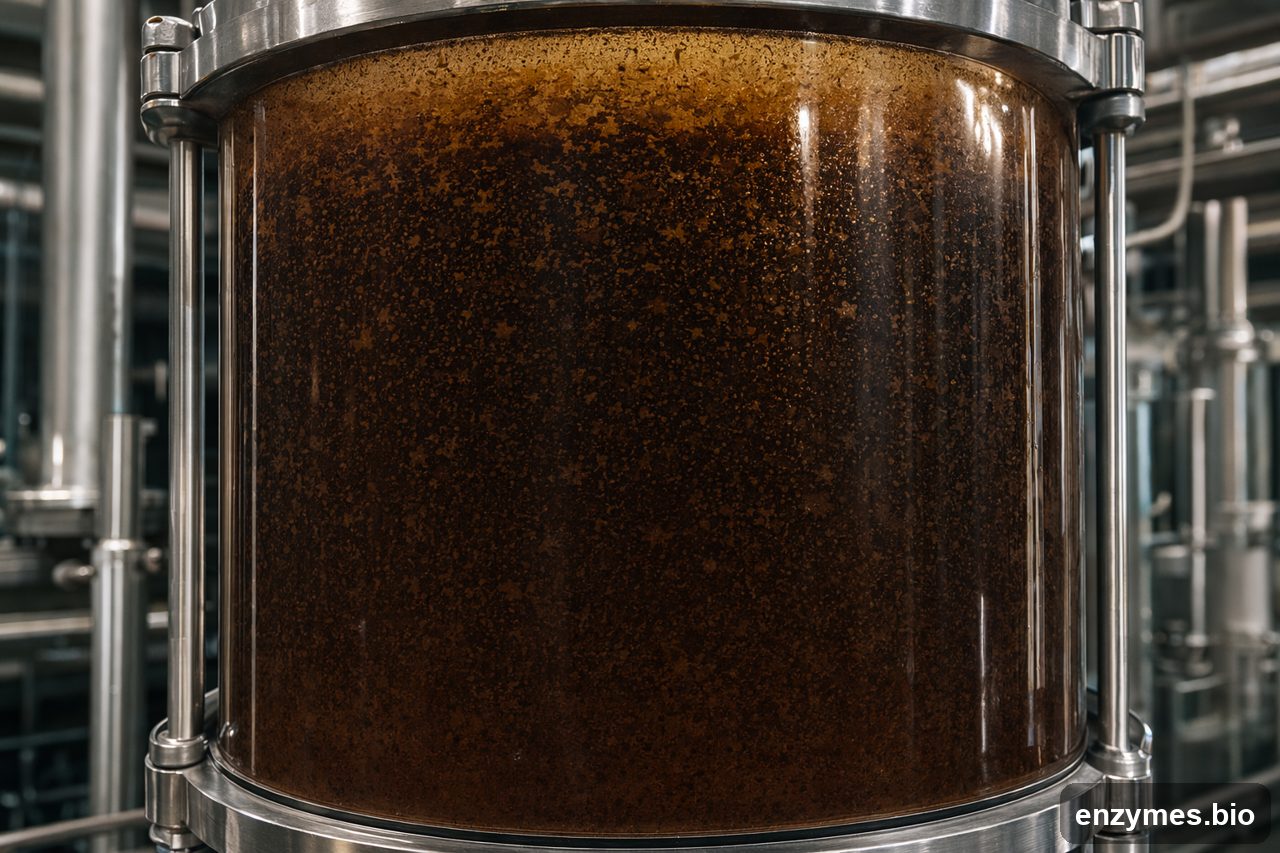
Tannase hydrolyzes ester-linked tannin structures and can help shift the phenolic profile of plant-derived materials. In practice, teams evaluate it to support:
The objective is not generic “debittering.” It is controlled tannin management: enough transformation to improve process and sensory performance while preserving the ingredient’s intended character.
Tannins can bind proteins and contribute to a dry, puckering finish. In selected plant protein workflows, tannase may be evaluated upstream or during aqueous processing to reduce tannin-related astringency and improve downstream formulation quality.
Typical evaluation goals include:
Tea leaves, herbs, barks, peels, seeds, and other botanicals can carry high phenolic loads. Tannase can be used to refine extracts where tannins create harshness, excessive dryness, dark color, or precipitation risk.
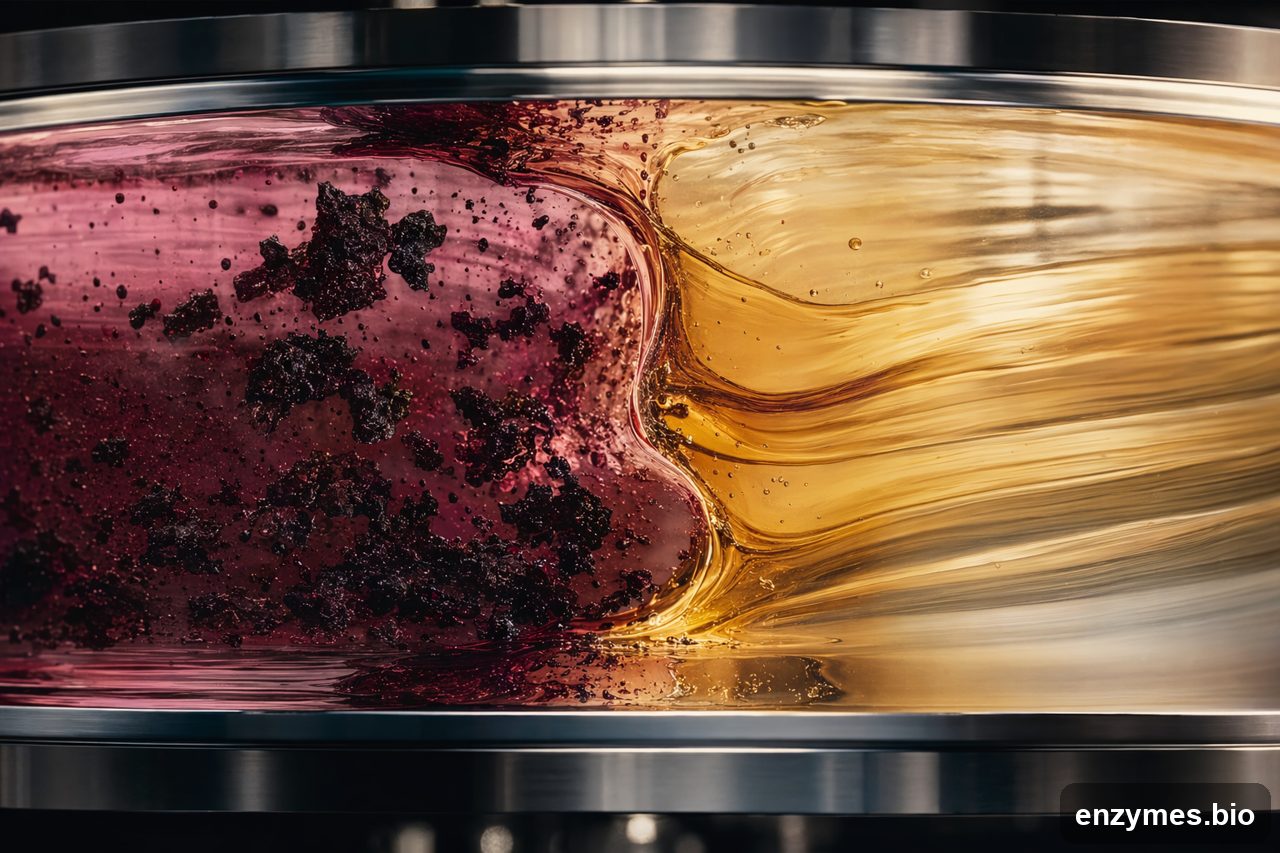
Teams often evaluate tannase for:
Pomegranate, grape, persimmon, berry, nut, seed, and similar inputs may present tannin-related processing challenges. Tannase can help convert targeted tannin fractions and may support a cleaner balance between phenolic intensity and product usability.
Evaluation focus areas include:
Tannase can be considered at several points depending on the raw material and desired outcome.
Use when tannins interfere with release, separation, or early-stage extract quality. This position is useful when the goal is to improve processing behavior before concentration or blending.
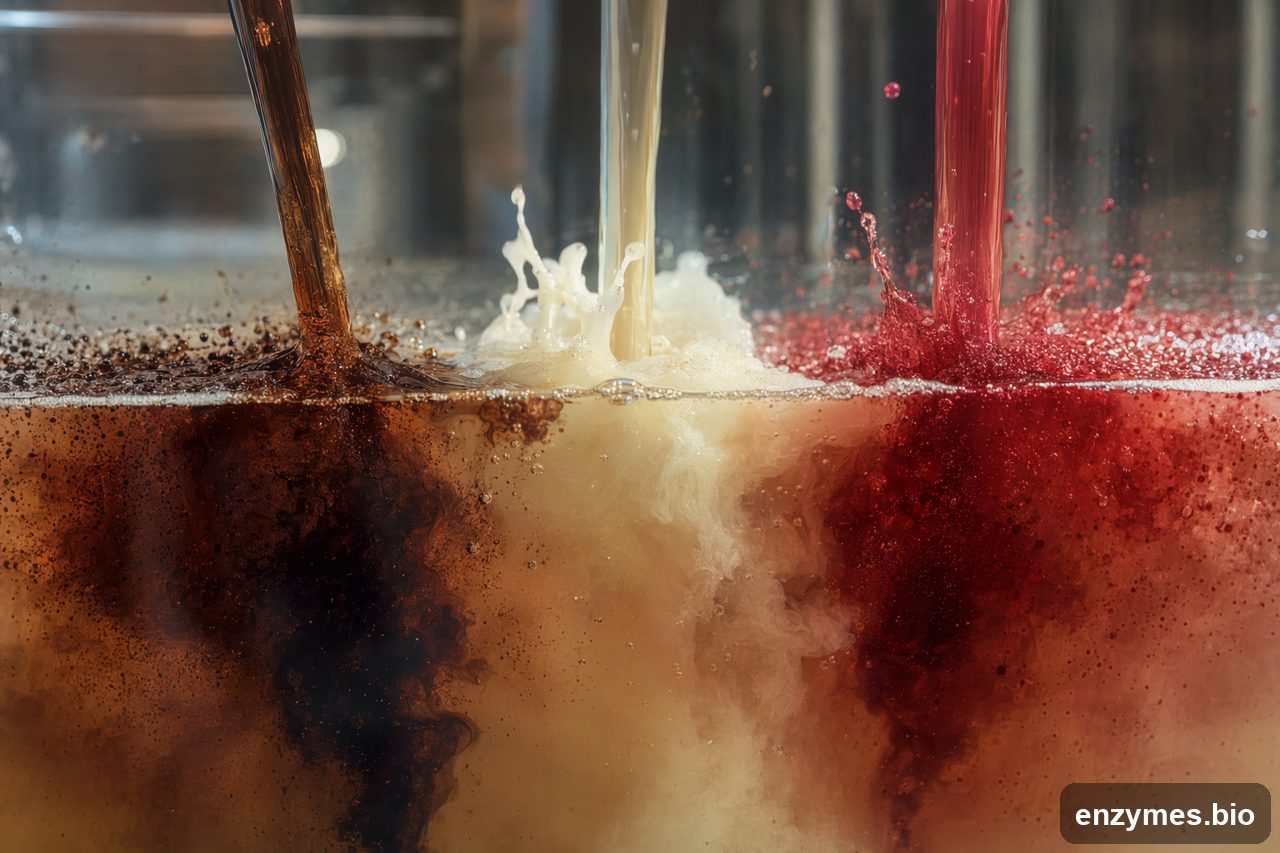
Use when an extract, slurry, or liquid intermediate already exists and needs sensory or color adjustment before final specification.
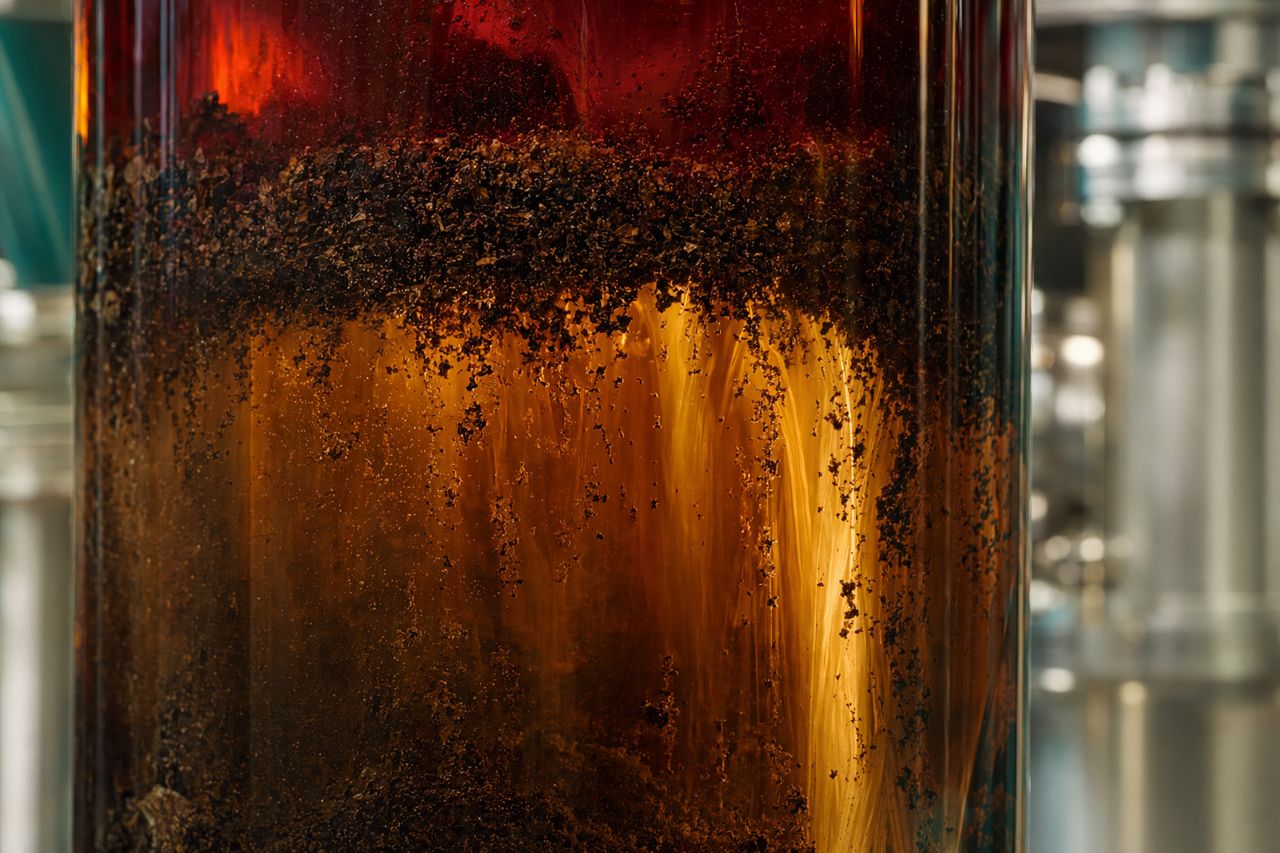
Use when tannin-driven darkening, haze, or instability becomes more significant after concentration, evaporation, or powder conversion.
A good tannase trial starts with the ingredient problem, not the enzyme alone. Before screening, define:
Tannins are not one single chemistry. Some fractions respond more directly to tannase than others, and complex plant matrices may require combined process adjustments. Tannase Enzyme Solutions helps structure evaluations so the first trial answers a practical production question.
When the substrate and process are suitable, tannase evaluation may support:
Tannase Enzyme Solutions is built for B2B evaluation, scale-up, and specification alignment. We support formulation scientists, beverage processors, fermentation teams, and ingredient manufacturers with practical trial planning, documentation discussion, and supply-fit review.
We do not publish trader-confidential activity methods or assay details on the site. For qualified projects, our team can discuss fit, sample requirements, packaging, lead time, and commercial supply options directly.
Use the form below to request pricing, a technical quote, or a project-fit discussion for tannase in plant ingredient processing.
Tell us your application and volume — we reply with pricing and lead time.
We have received your message. We will reply by email.