Bulk tannase for feed ingredient manufacturers and premix producers pretreating tannin-rich meals, pomaces and co-products. Request a quote by raw material, quantity and destination.
Request pricingTannins can be useful plant defense compounds and difficult feed-process variables at the same time. In high-tannin raw materials, they may bind proteins, interact with digestive enzymes, add astringency, reduce palatability, and limit how confidently a processor can include certain local or co-product ingredients.
Tannase is supplied in bulk to feed ingredient manufacturers, premix producers and feed distributors for ingredient pretreatment. It is designed for processors working with tannin-containing meals, extracts, pomaces, seed fractions, and fermentation substrates where controlled hydrolysis of hydrolyzable tannins can support a cleaner ingredient profile and more predictable downstream performance.
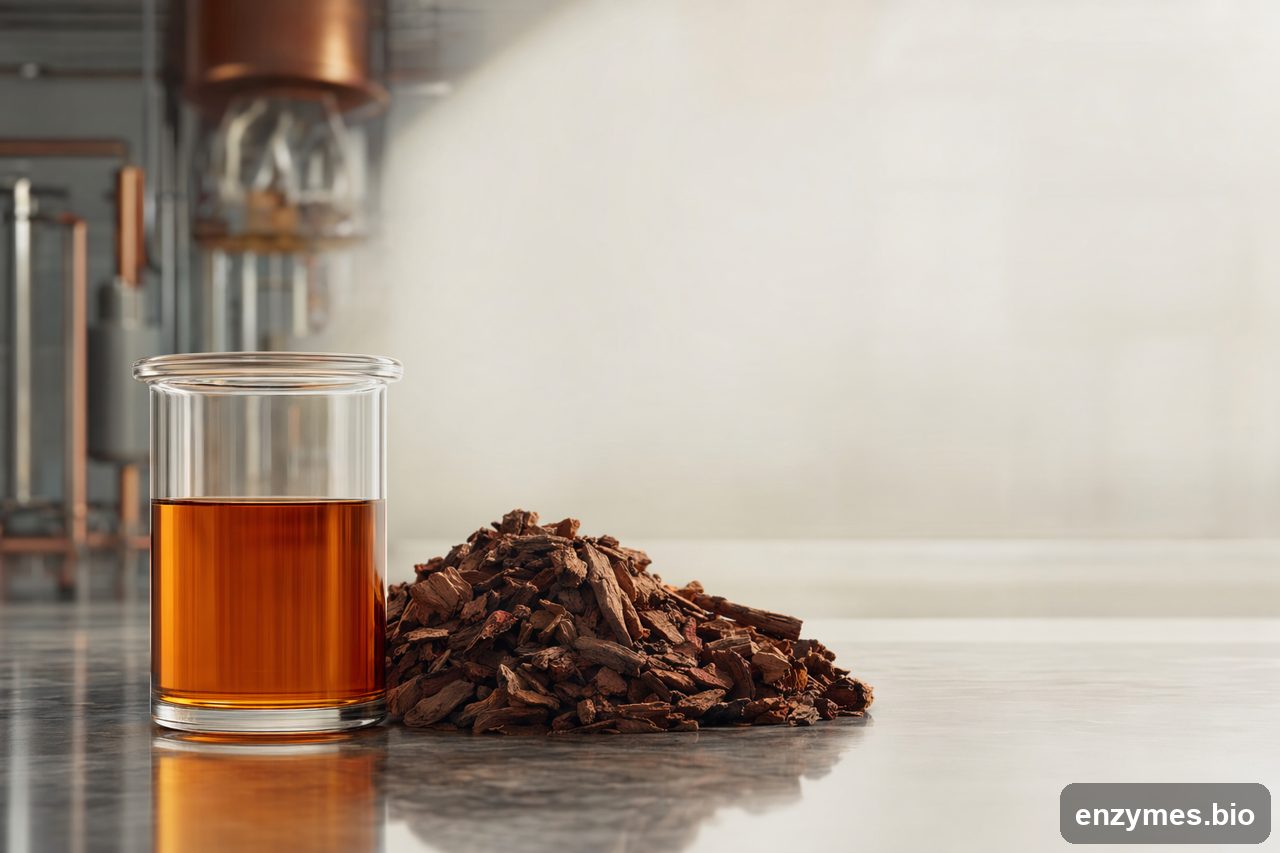
Bulk tannase for feed ingredient plants. Request a quote through the inquiry form: send the raw material, the quantity (trial or production volume) and the delivery country. Pack size, lead time and price are quoted per order.
Tannase is best considered as a pretreatment tool, not a universal fix for every phenolic compound. It is most relevant where the tannin load includes hydrolyzable tannins such as gallotannins and related ester-linked structures. In a conditioned meal, aqueous slurry, soak step, or fermentation preparation, tannase can help break selected tannin ester bonds into smaller phenolic components, including gallic-acid-rich fractions.
Typical evaluation areas include:
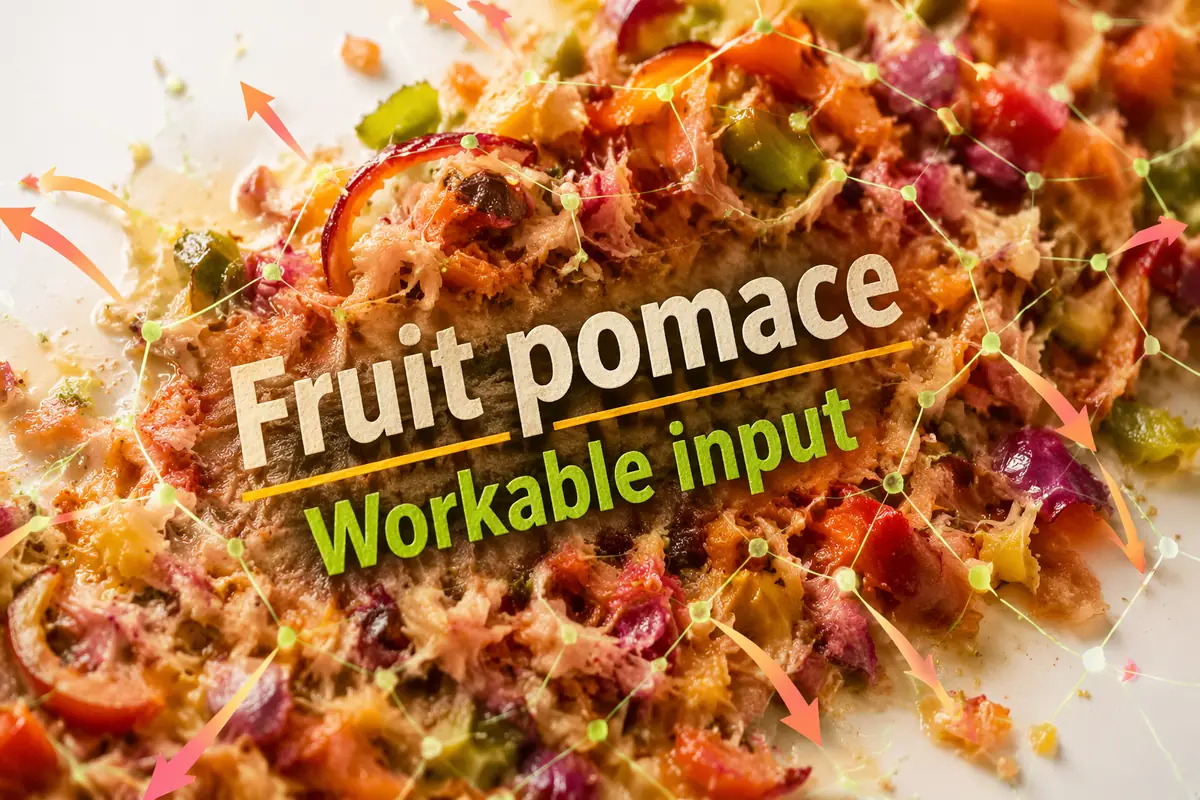
Tannin-associated astringency can restrict inclusion strategy. Enzymatic pretreatment may help reduce the sensory harshness of selected tannin-rich substrates, supporting more flexible formulation trials and ingredient positioning.
Tannins can complex with proteins and other macromolecules. By targeting hydrolyzable tannin structures before feeding or fermentation, tannase may help reduce tannin-protein interactions and improve access to nutrients during downstream digestion or bioprocessing.
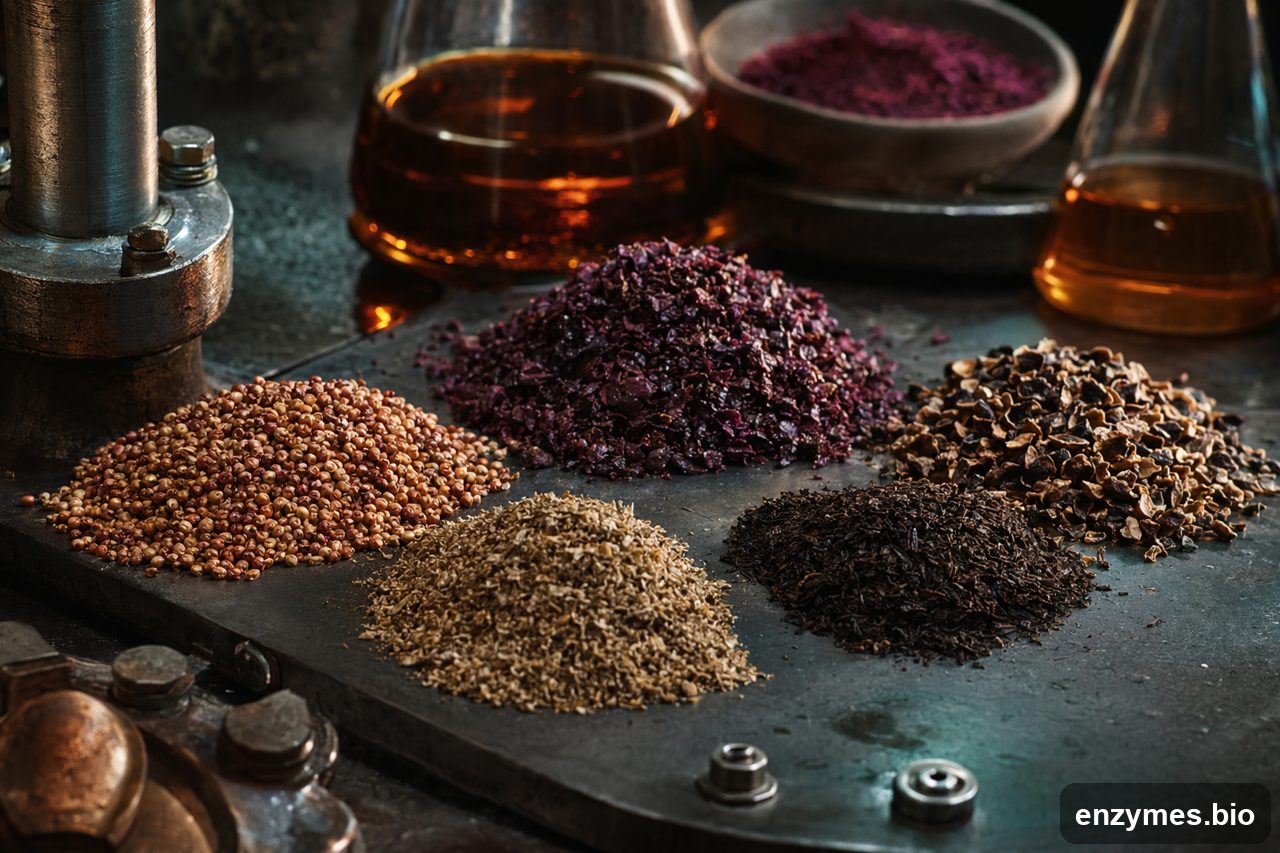
Many tannin-containing feed materials are attractive because they are available, renewable, and cost-efficient. Tannase gives processors another lever for improving the consistency of those materials before they enter a finished feed system.
Instead of relying only on blending or rejection of high-tannin lots, processors can evaluate a controlled enzymatic step. This can be especially useful when raw material tannin levels fluctuate by crop, origin, drying method, or extraction history.
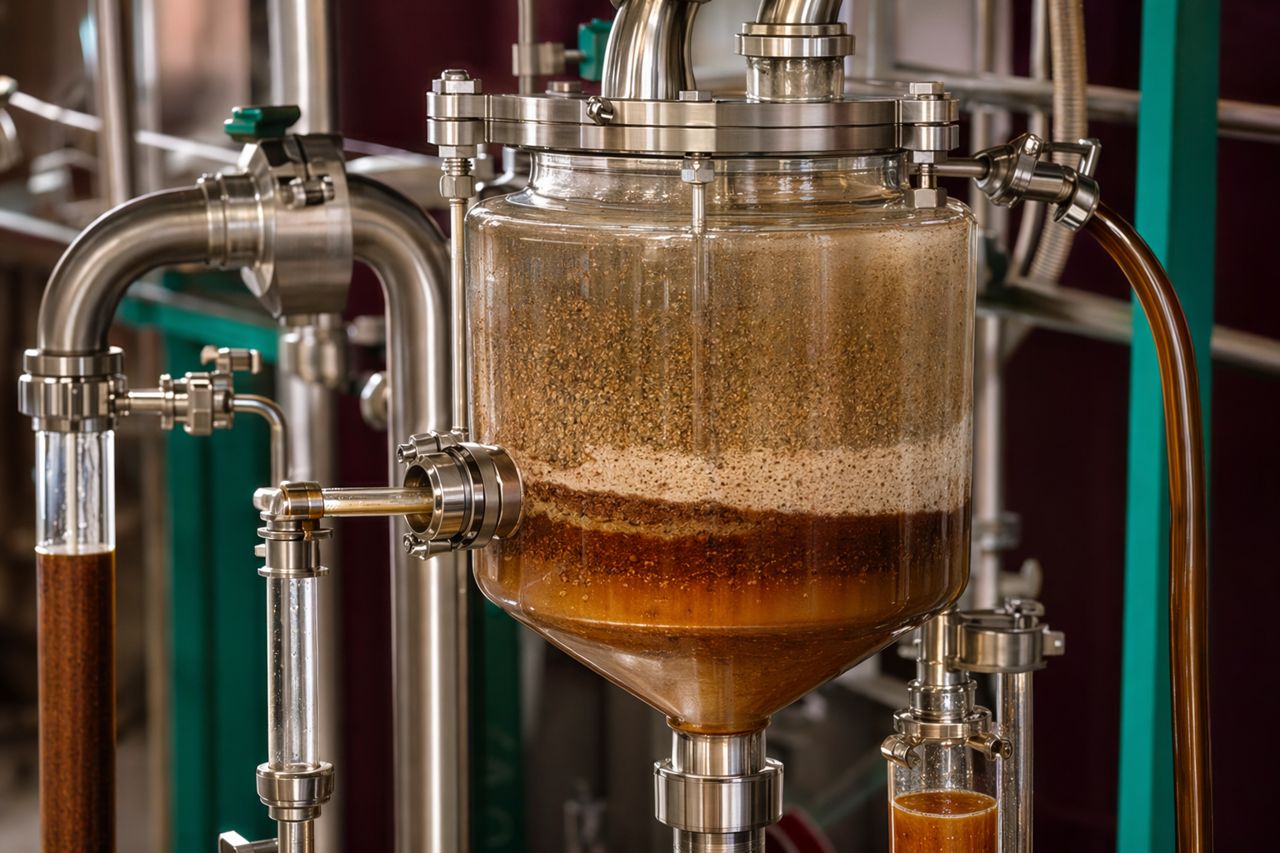
Tannase is typically evaluated in an aqueous pretreatment environment where moisture, mixing, time, temperature, and pH are controlled closely enough for enzyme contact with the tannin-containing fraction.
Common process formats include:
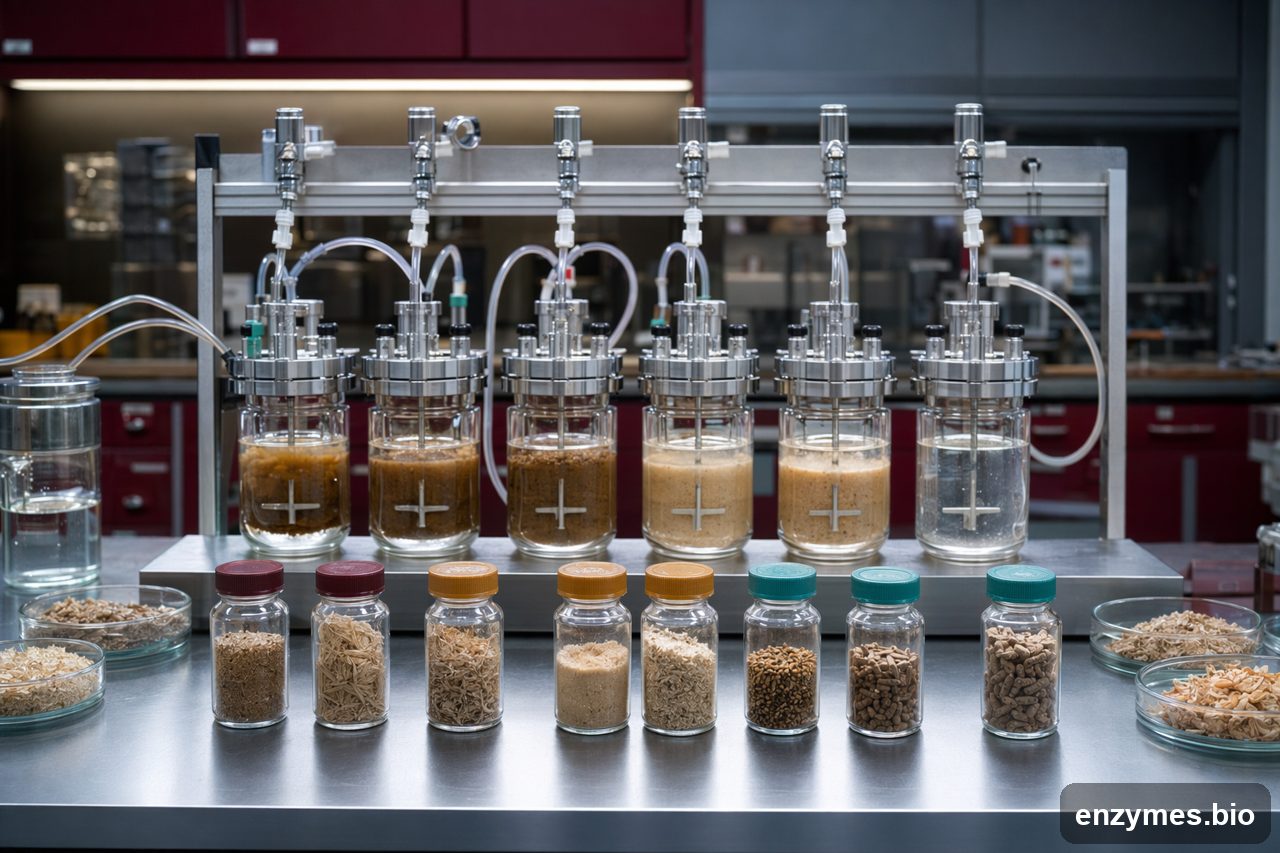
For most projects, the right treatment window depends on raw material particle size, extractability of tannins, water addition, process residence time, thermal exposure, and the target finished ingredient specification. Tannase Enzyme Solutions supports application discussions around these variables without forcing a one-size operating model.
Not all tannins behave the same way. Before a commercial trial, confirm whether the material contains a meaningful fraction of tannase-responsive tannins.
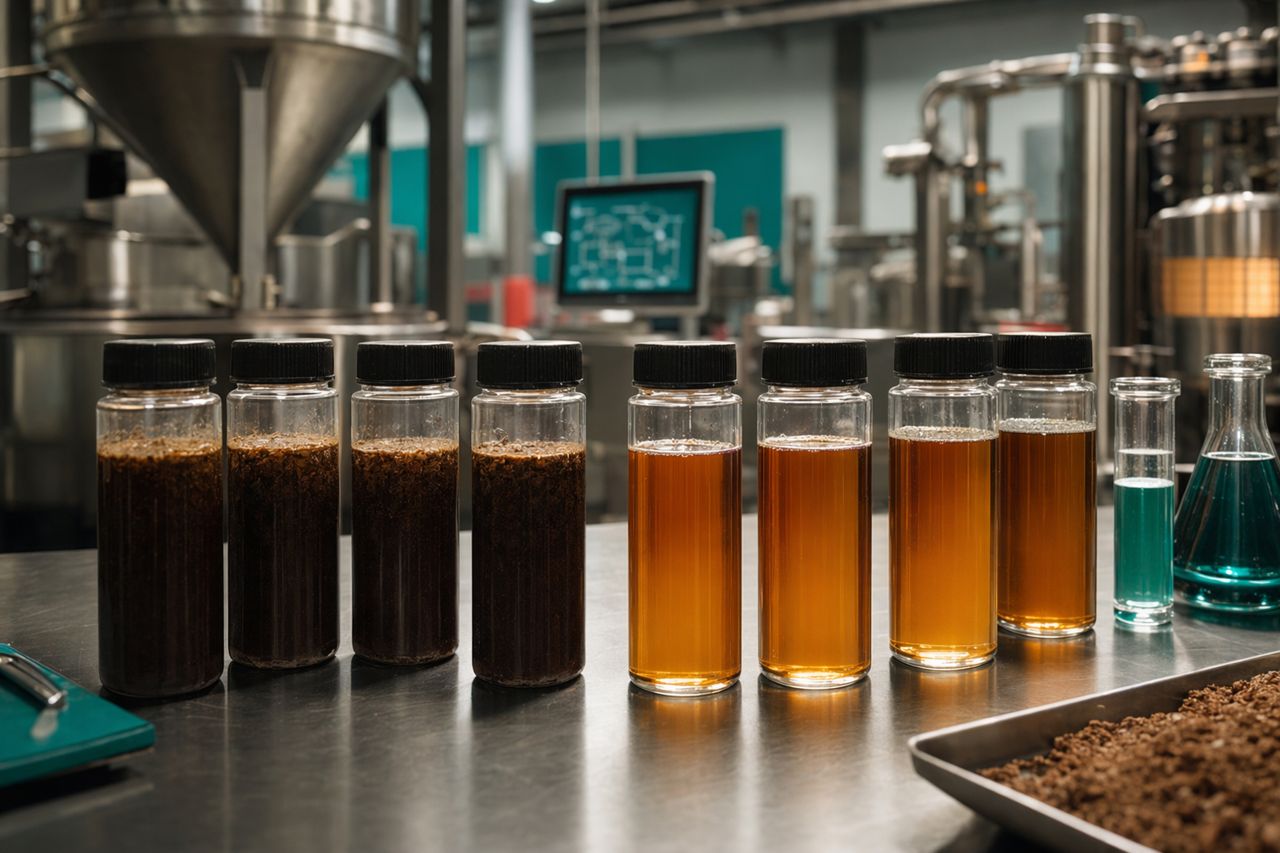
A practical feed-material tannase program usually moves through four stages:
The strongest programs define success before trials begin: lower astringency, improved ingredient consistency, better fermentation behavior, higher inclusion confidence, or a more premium co-product specification.
Tannase Enzyme Solutions supplies businesses that buy in bulk: feed ingredient manufacturers, premix producers, and the distributors and resellers serving them. We focus on tannase use cases where the enzyme has a clear job: refine tannin-rich materials, improve process confidence, and help ingredient teams evaluate higher-value uses for challenging botanical streams.
Tell us your raw material, current process format, treatment objective, the quantity you need and the delivery destination. We reply with a matching grade and a quotation. The quickest route is the inquiry form at the bottom of this page.
Prefer a concise commercial response? Submit the same form and write get pricing in the application notes.

Tell us your application and volume — we reply with pricing and lead time.
We have received your message. We will reply by email.