Bulk tannase for gallic acid producers, tannic acid and gallnut processors and extract manufacturers: enzymatic hydrolysis of gallotannins to gallic acid. Request a quote by tannin source, volume and destination.
Request pricingTannase Enzyme Solutions supplies tannase in bulk to gallic acid producers, tannic acid and gallnut extract processors, and botanical extract manufacturers that want an enzymatic route from gallotannins and tannic acid to gallic acid and other lower-molecular-weight phenolics. We also supply distributors who serve these plants.
For processors working with tea, oak, gallnut, sumac, tara, grape-derived materials, and specialty botanical extracts, tannase provides a controlled route to reduce heavy tannin structure, improve extract behavior, and unlock phenolic value without relying only on harsh chemical conversion.
Bulk tannase for gallic acid and extract production. Request a quote through the inquiry form with your tannin source (tannic acid, gallnut, tara or another extract), the batch or annual volume and the delivery country. Grade, pack size and price are quoted per order.
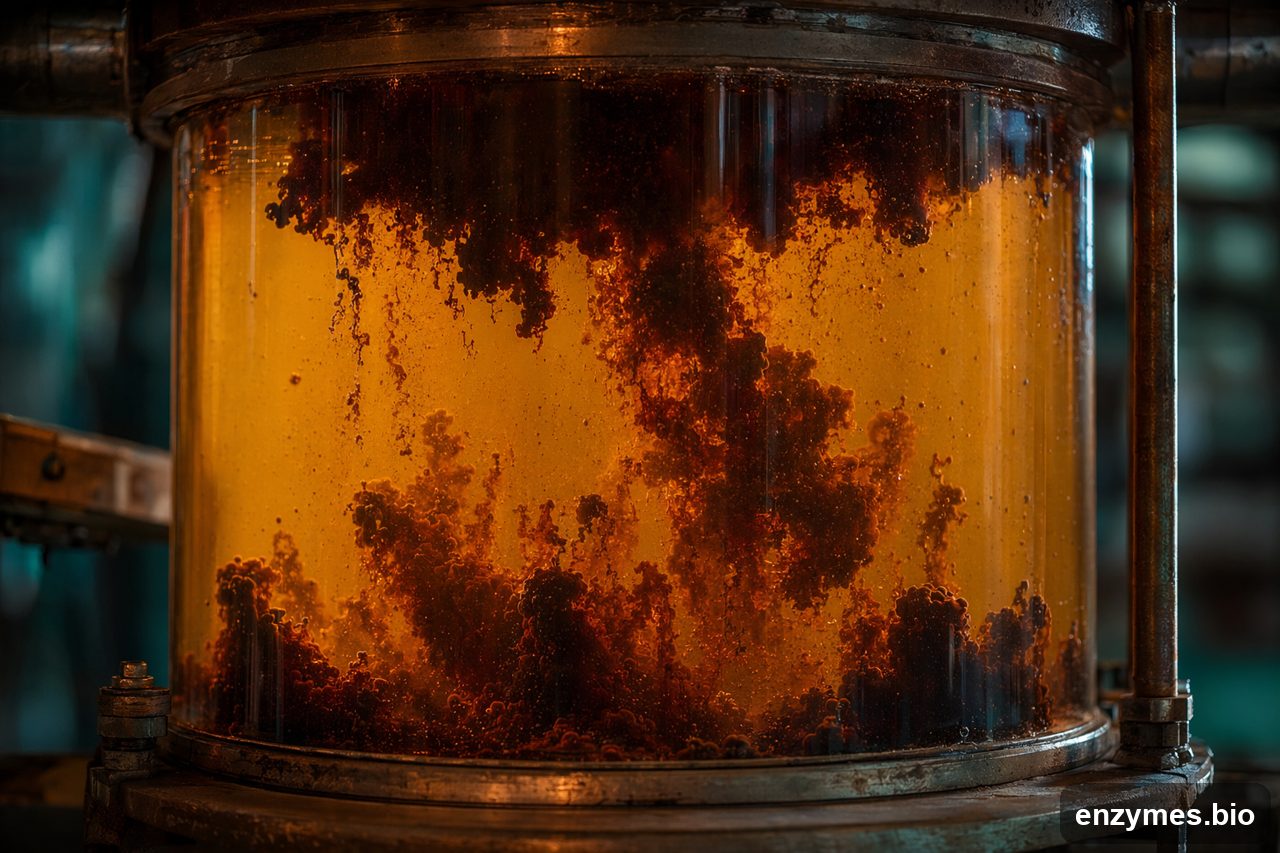
Tannase, also known as Tannin Acyl Hydrolase, hydrolyzes ester linkages in hydrolyzable tannins. In gallotannin-rich materials, this can release gallic acid and related phenolic fractions while reducing the molecular weight and binding behavior of the original tannin complex.
In practical terms, the target is not simply “breaking tannin.” The target is controlled transformation: cleaner solubility, more predictable downstream handling, and a phenolic profile aligned with the product specification.
Tannase may be considered for:
A tannase step can help formulation and processing teams pursue several outcomes:
Tannase can be evaluated with hydrolyzable tannin sources such as:
Performance depends strongly on raw material origin, extraction history, dissolved solids, co-phenolics, metal content, pH environment, and the desired endpoint.
For gallic acid release projects, the most important work is application mapping. Tannase Enzyme Solutions recommends defining the substrate, process constraints, and specification target before scaling the enzyme step.
Key variables include:
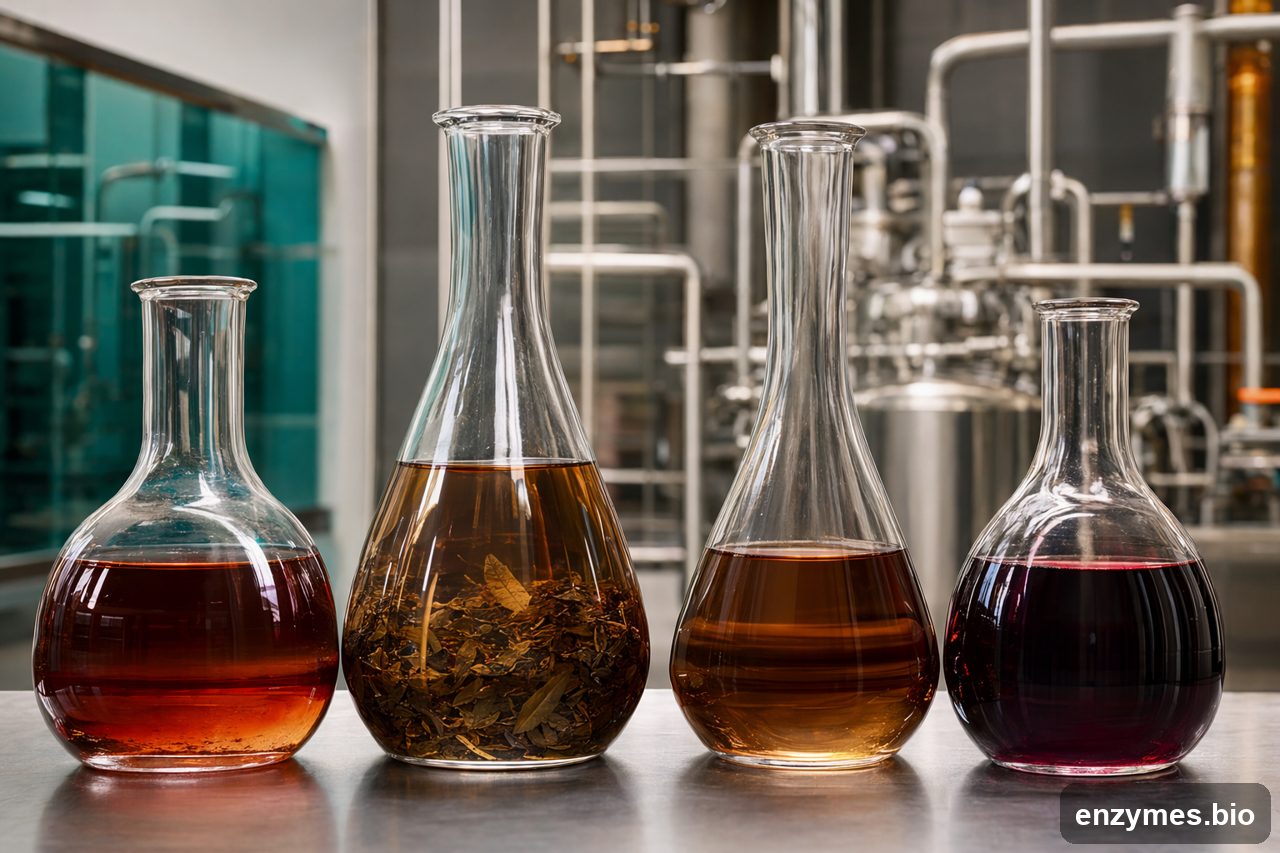
Tannase can support the production of botanical fractions with elevated gallic acid contribution. This is relevant where manufacturers want a cleaner phenolic identity, reduced high-molecular-weight tannin load, or improved positioning for specialty ingredient applications.
In tea-derived and beverage-adjacent systems, tannase can be used to reshape tannin impact. The intended result may be reduced harshness, improved clarity, and a more controlled phenolic finish while retaining the character of the source material.
Plant byproducts containing hydrolyzable tannins may be candidates for enzymatic conversion. Tannase can help move these streams from low-value astringent material toward more useful phenolic inputs, depending on composition and downstream economics.
Chemical hydrolysis can be forceful, but it often brings color shift, byproduct management, corrosion concerns, and less selective conversion. Tannase gives process teams a more precise tool: one designed around ester bond hydrolysis in tannin structures.
That precision can matter when the final ingredient needs controlled taste, clean labeling context, stable processing behavior, or a phenolic specification that is difficult to reach through extraction alone.
When you weigh an enzymatic step against your current hydrolysis route, compare the whole line rather than the enzyme price alone: enzyme cost per batch, reaction time and vessel occupancy, the neutralisation and waste handling the current route needs, colour correction, and the purification steps after hydrolysis. Send us your current route and batch size and we will quote tannase for a side-by-side trial on your own raw material.
Tannase Enzyme Solutions positions tannase around real industrial matrices, not generic enzyme theory. To support evaluation, we focus on the substrate, conversion target, process environment, and downstream requirements.
Before recommending a tannase approach, we typically ask:
With those details, our team can help define a practical evaluation path for the gallic acid release application.
Tell us your tannin source, target conversion, process format, the quantity you need and the delivery destination. Tannase Enzyme Solutions replies with a matching grade and a quotation; pack size and lead time are quoted per order. The quickest route is the inquiry form at the bottom of this page.

Tell us your application and volume — we reply with pricing and lead time.
We have received your message. We will reply by email.