Application guidance for using tannase in selected coffee extract and instant coffee workflows to manage tannin-related astringency, improve clarity, and support controlled extract performance.
Request pricingCoffee extracts carry more than aroma and roast character. They also carry phenolic structures that can contribute to astringency, haze, sediment, and flavor roughness in concentrated coffee systems. Tannase is used to selectively modify tannin-related components in selected coffee extract workflows, helping processors refine mouthfeel, improve visual clarity, and build more controlled instant coffee or coffee ingredient bases.
For formulation scientists and extract manufacturers, the value is practical: cleaner sensory expression, better downstream handling, and a more predictable concentrate before finishing.
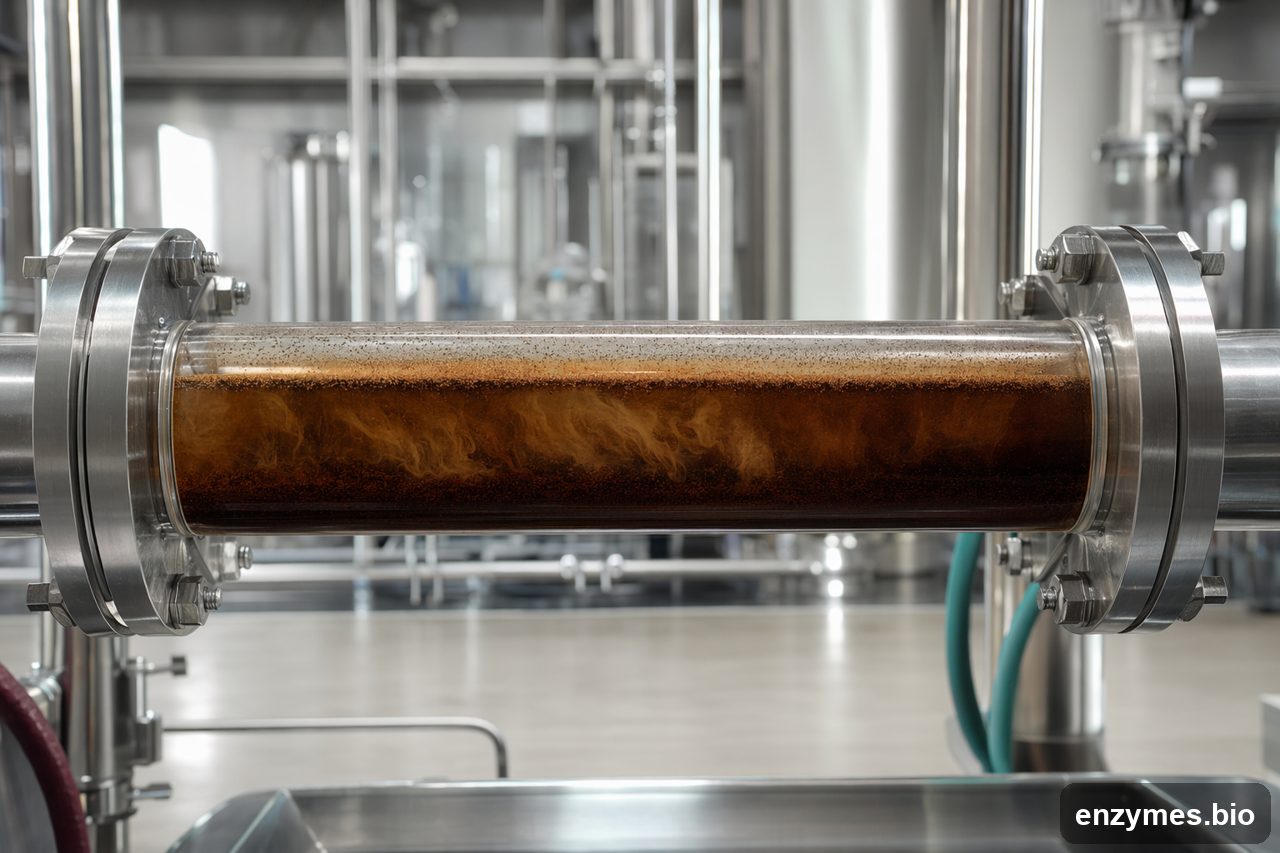
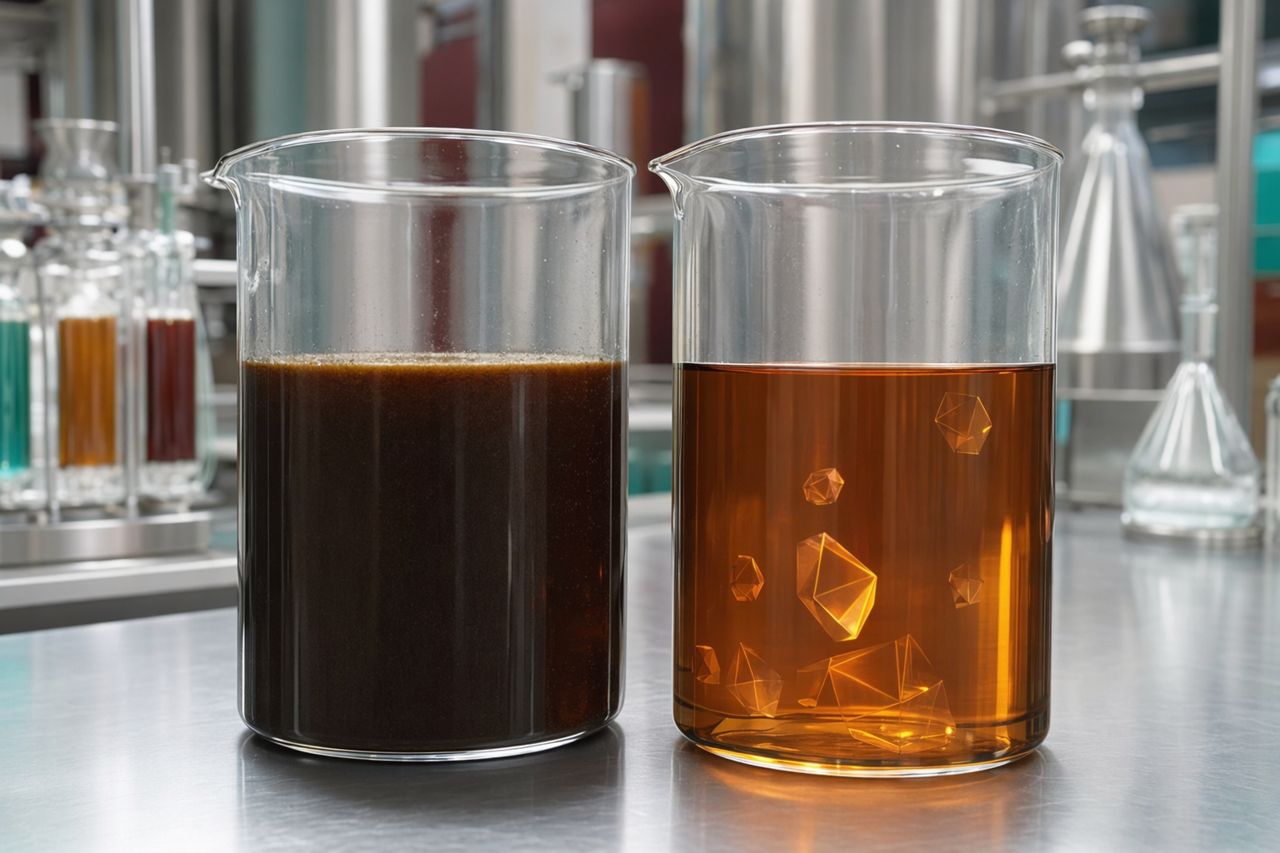
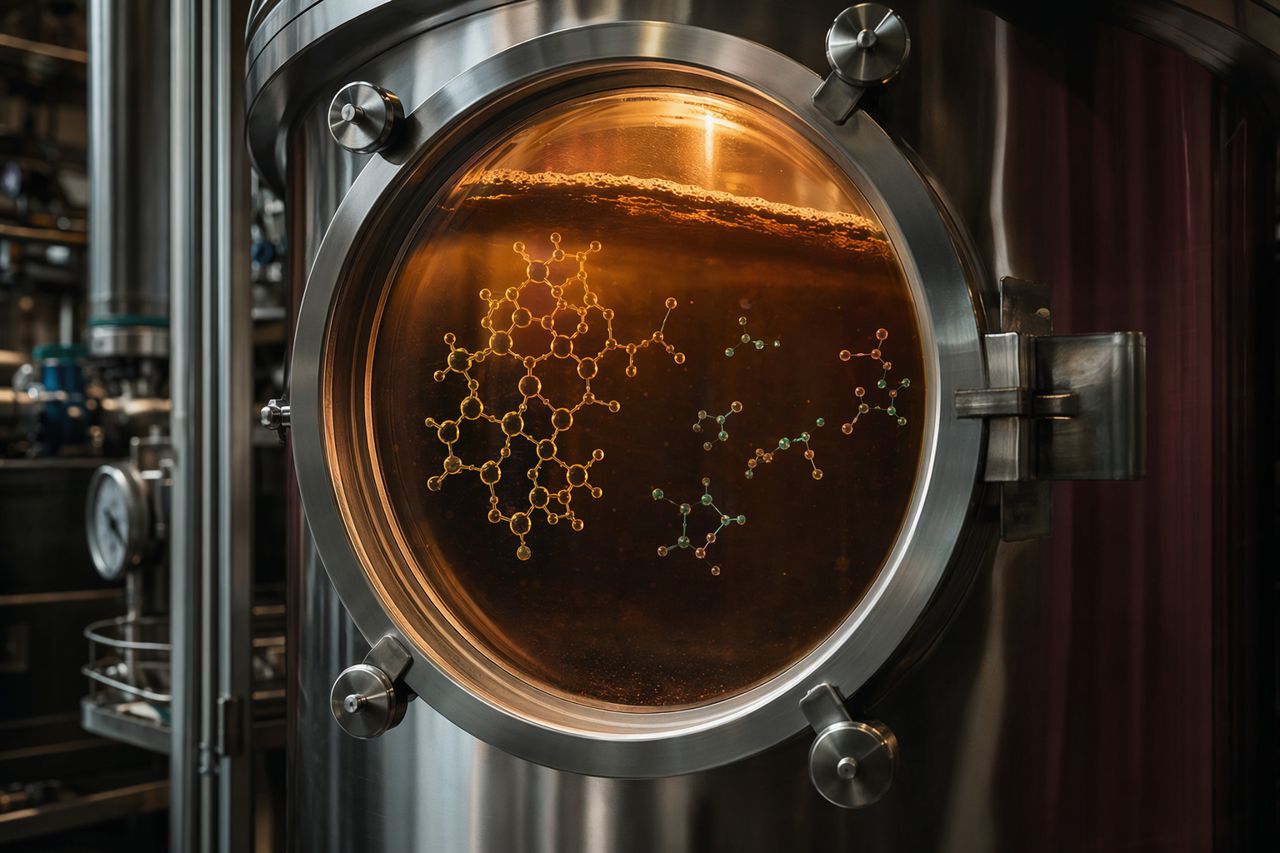
Tannase, properly known as Tannase (Tannin Acyl Hydrolase), acts on galloyl ester and related tannin structures. In coffee extract systems, this can help reduce tannin-driven astringency and limit interactions that contribute to haze or sediment during concentration, storage, blending, or drying.
It is not a generic flavor mask. It is a processing tool for targeted phenolic modification.
Before drying, soluble coffee concentrates can show tannin-related harshness or instability, especially when high extraction intensity is used to improve yield. Tannase can be evaluated as a pre-finishing treatment to moderate astringency and support cleaner cup character after spray drying, freeze drying, or agglomeration.
Cold brew systems often emphasize smoothness, but concentrated formats can still develop polyphenol-driven dryness or haze after storage. A controlled tannase step can help refine mouthfeel while maintaining the product’s core coffee identity.
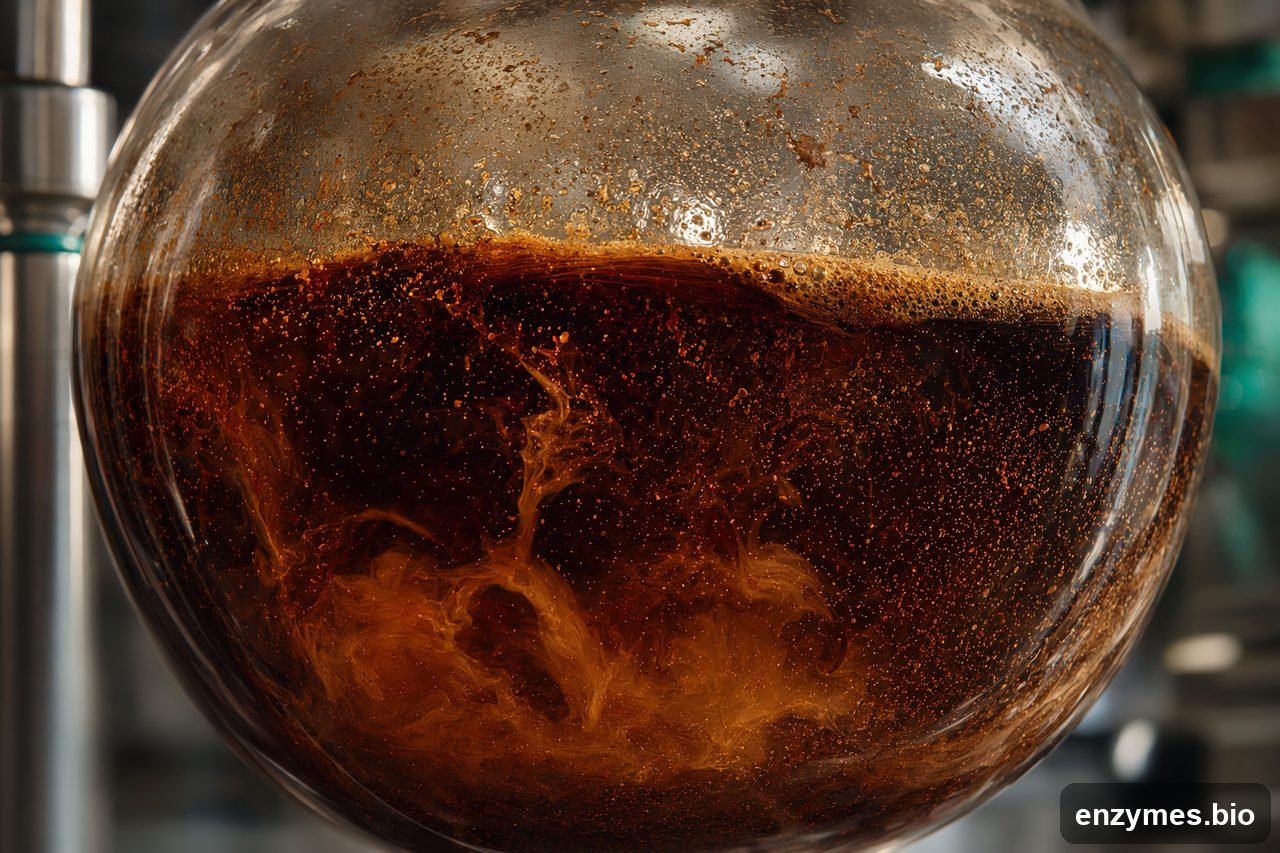
Green coffee extracts and functional coffee ingredients may carry elevated phenolic load. Tannase can be screened where the target is better solubility behavior, lower astringency, or improved compatibility in complex beverage matrices.
In flavor houses and ingredient manufacturing, tannase can help tune coffee extract bases used in dairy beverages, plant-based drinks, syrups, powders, sauces, and fillings where clarity, mouthfeel, and flavor balance must survive further formulation.
Tannase is typically assessed after primary extraction and gross solids removal, then before concentration, blending, thermal finishing, or drying. This placement allows the enzyme to work on a relatively accessible soluble phenolic fraction before the matrix becomes more concentrated or physically complex.
A practical sequence may include:
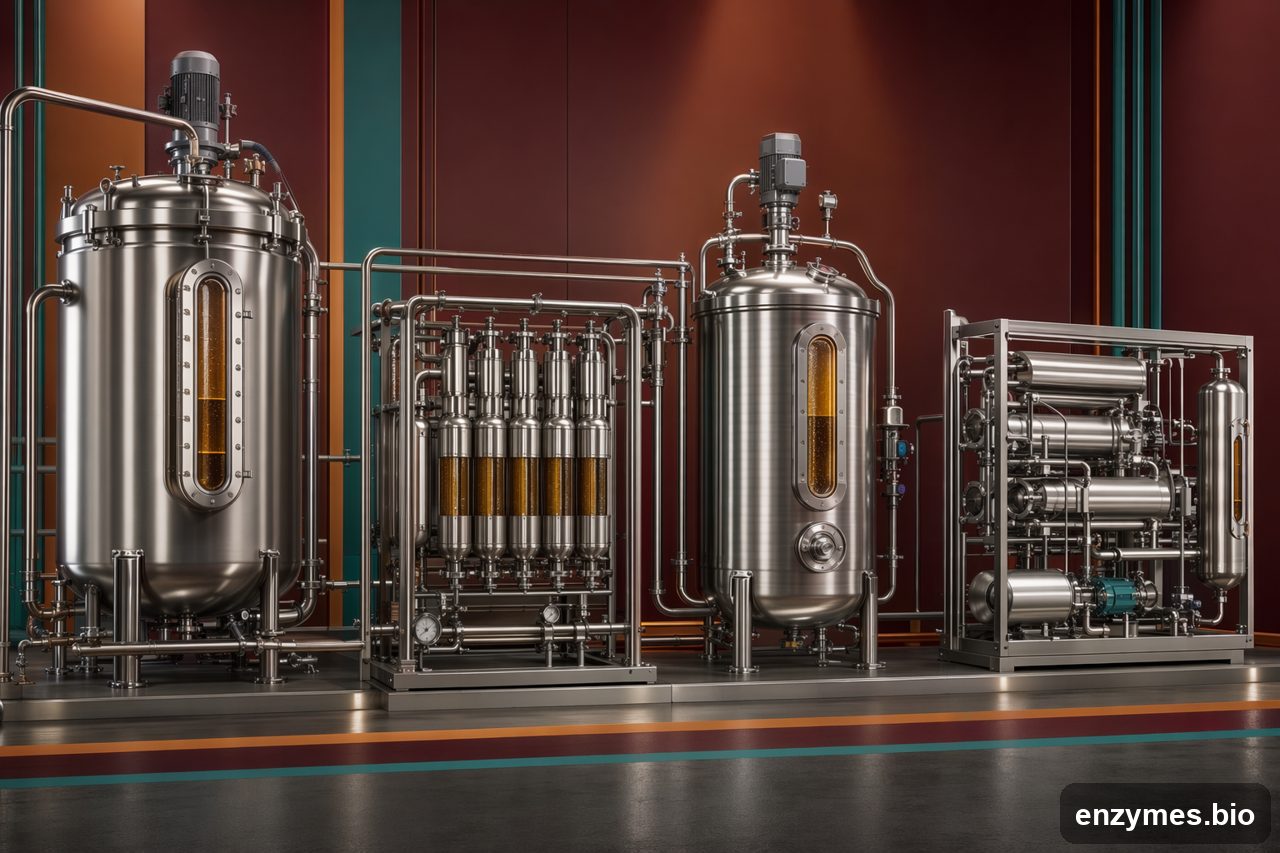
The exact process window depends on the coffee source, roast profile, extraction method, solids level, and desired sensory endpoint.
A useful tannase trial should compare treated and untreated extract under the same process conditions. Evaluation should focus on the commercial outcome, not just the reaction concept.
Recommended trial readouts include:
Tannase is most useful when astringency or haze is linked to tannin-related chemistry. Coffee systems can also be affected by melanoidins, oils, fine particles, proteins, minerals, and extraction severity, so enzyme treatment should be validated inside the full process rather than judged in a simplified bench sample only.
The goal is not to remove coffee character. The goal is to reduce roughness where tannin-related astringency interferes with clarity of flavor. In well-designed trials, the treated extract should retain recognizable roast, aroma, acidity, and body while presenting a cleaner finish.
For industrial adoption, Tannase Enzyme Solutions recommends a staged evaluation: bench screening, pilot validation, and line trial. Each stage should include an untreated control, a defined sensory panel, and stability checks under the actual storage or finishing conditions used by the product.
When requesting pricing or a technical fit review, share the application type, extract format, solids range, approximate pH, processing temperature, target claim or product format, and the main pain point: astringency, haze, sediment, yield, or formulation compatibility.
Tell us what you are making and what needs to improve. Tannase Enzyme Solutions will respond with application-focused guidance and pricing for your coffee extract workflow.
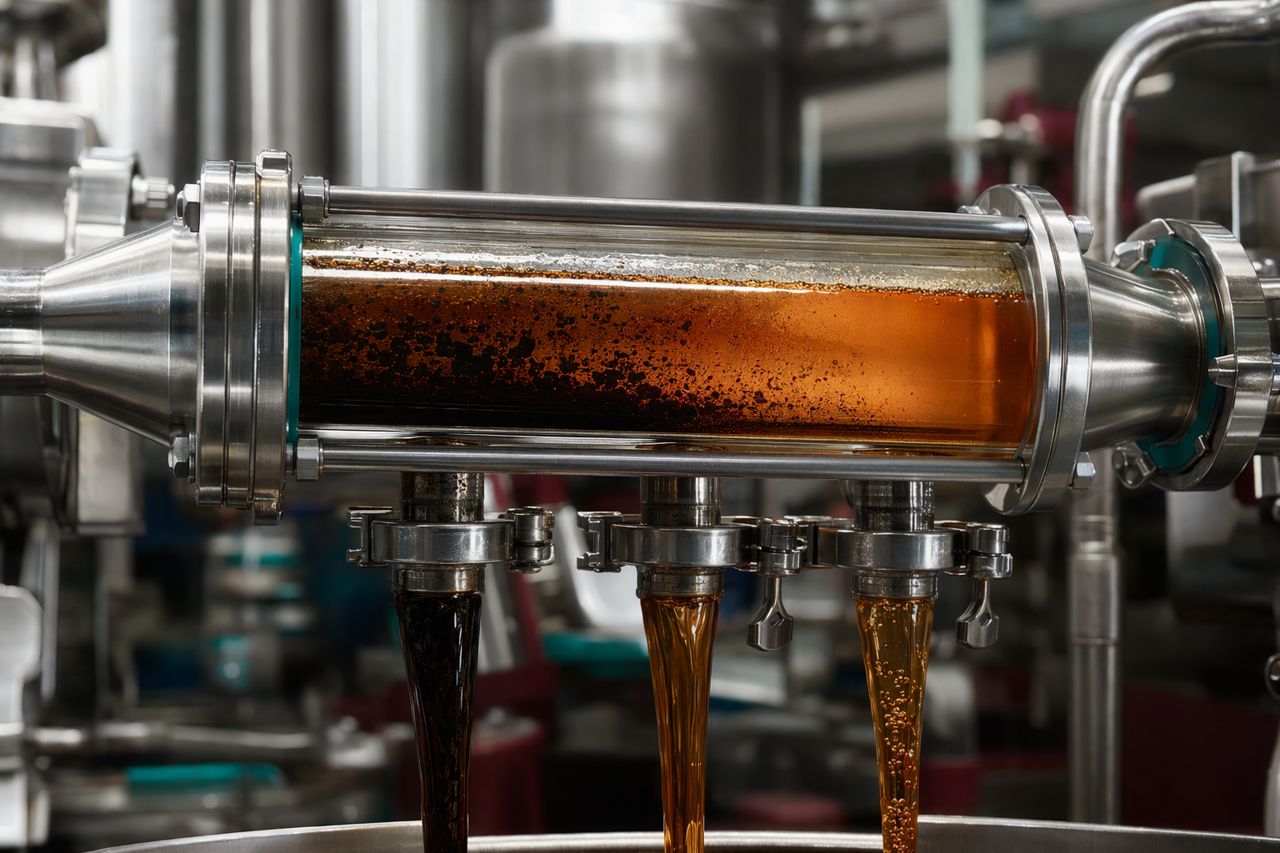
Tell us your application and volume — we reply with pricing and lead time.
We have received your message. We will reply by email.