Bulk tannase for fermentation plants, fruit wine and cider producers and ingredient manufacturers working with tannin-rich substrates. Request a quote by substrate, quantity and destination.
Request pricingTannin-rich raw materials can be valuable fermentation feedstocks — and difficult ones. Tea solids, fruit skins, coffee materials, cocoa streams, botanical extracts, oak-derived inputs, and legume or cereal fractions can carry polyphenols that bind proteins, inhibit microbial performance, contribute harsh astringency, and complicate clarification.
Tannase Enzyme Solutions supplies Tannase (Tannin Acyl Hydrolase) in bulk to fermentation plants, fruit wine and cider producers, ingredient manufacturers and the distributors who serve them: processors that need more control over these substrates before or during fermentation. The enzyme helps hydrolyze ester-linked tannins, reducing the impact of problematic polyphenol structures while supporting cleaner process behavior and more targeted flavor development.
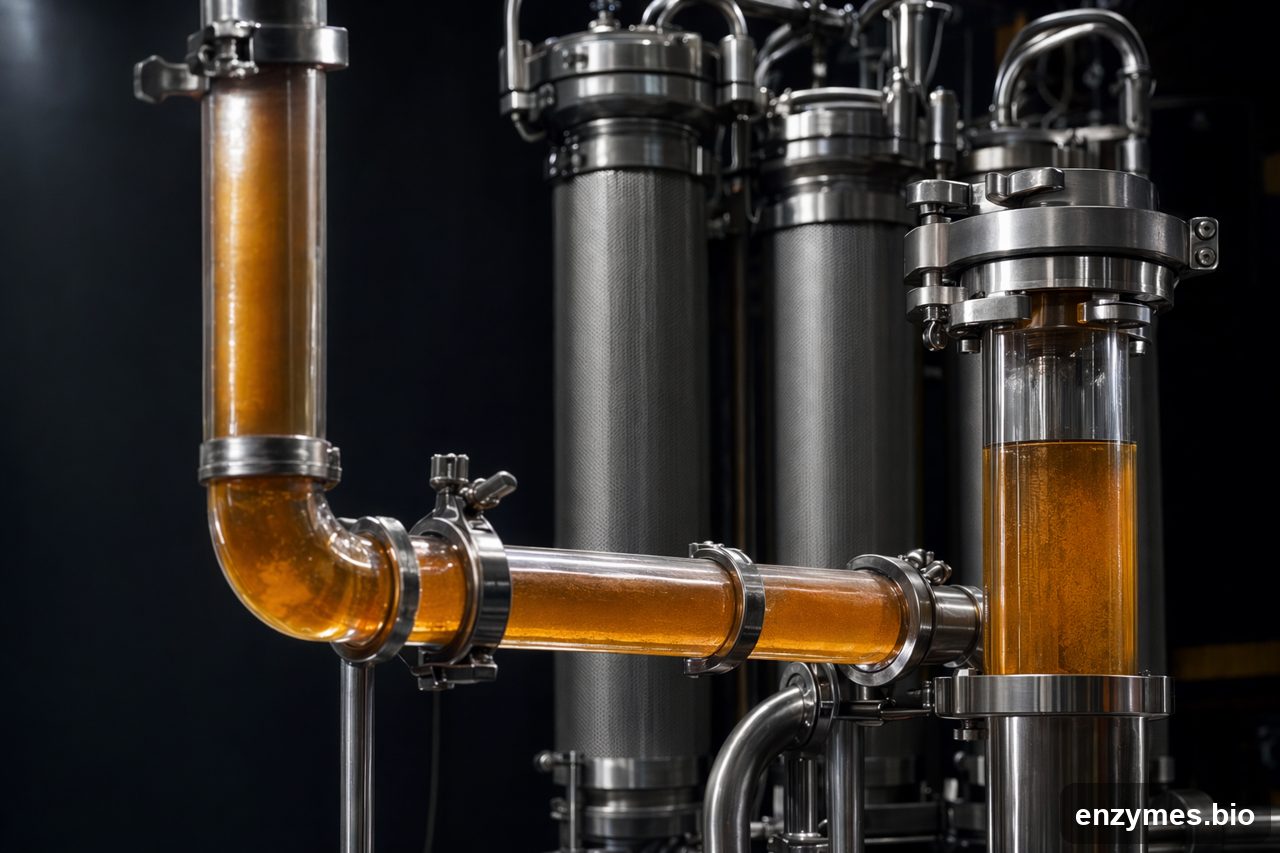
Bulk tannase for fermentation plants. Request a quote through the inquiry form: send the substrate, the quantity (trial, pilot or production volume) and the delivery country. Pack size, lead time and price are quoted per order.
Tannase may be used as a substrate-conditioning tool, a co-processing aid, or a post-fermentation refinement step depending on the product, organism, and desired sensory profile.
Typical integration points include:
The objective is not to remove all polyphenol character. In premium fermented products, tannin structure is often part of the value. The practical goal is selective modification: less harshness, better extract handling, more predictable clarification, and a cleaner foundation for fermentation design.
Condensed and hydrolyzable tannins can interact with proteins, enzymes, minerals, and cell surfaces. In sensitive fermentations, this may slow adaptation, reduce consistency, or create batch-to-batch variability. Tannase helps reduce the burden of hydrolyzable tannin structures, making the substrate more fermentation-ready.
Tannin-driven bitterness and astringency can dominate fermented beverages, botanical bases, and specialty extracts. Tannase supports a more polished profile by modifying tannin chemistry upstream of final blending. The result can be a cleaner perception of fruit, tea, coffee, cocoa, grain, botanical, or barrel-derived notes.
Tannins can form complexes with proteins and other macromolecules, contributing to haze, sediment, and filtration drag. By reducing certain tannin interactions, tannase can support downstream clarification, centrifugation, filtration, and extract standardization.
Fermentation teams often work with variable agricultural inputs. Tannase can help unlock value from tannin-heavy lots that might otherwise require dilution, blending, extended settling, or more aggressive processing.

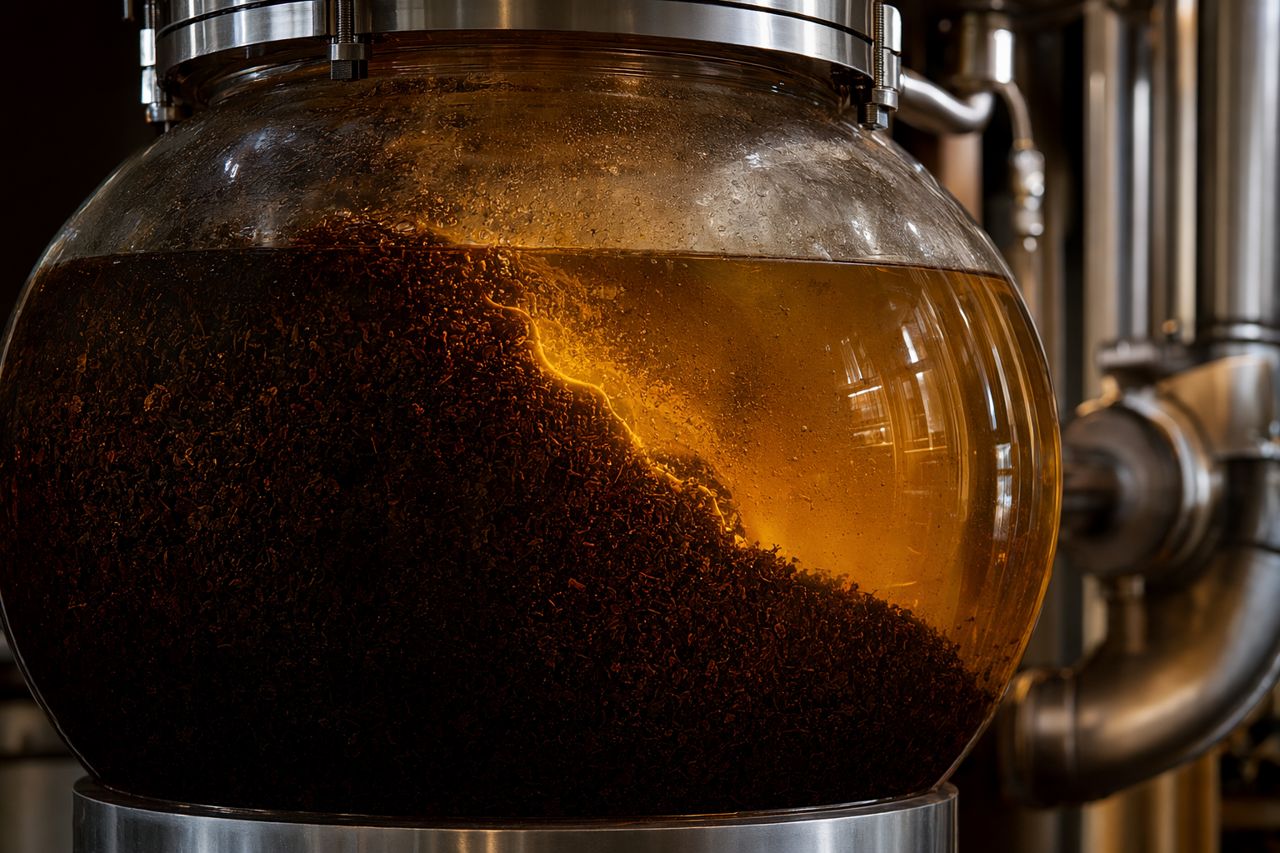
For kombucha-style bases, fermented tea extracts, herbal infusions, and botanical concentrates, tannase can help soften heavy tannic edges and improve extract clarity while preserving origin character.
In fermented or enzyme-conditioned coffee and cocoa ingredients, tannase can support bitterness management, extraction balance, and clarification in liquid intermediates.
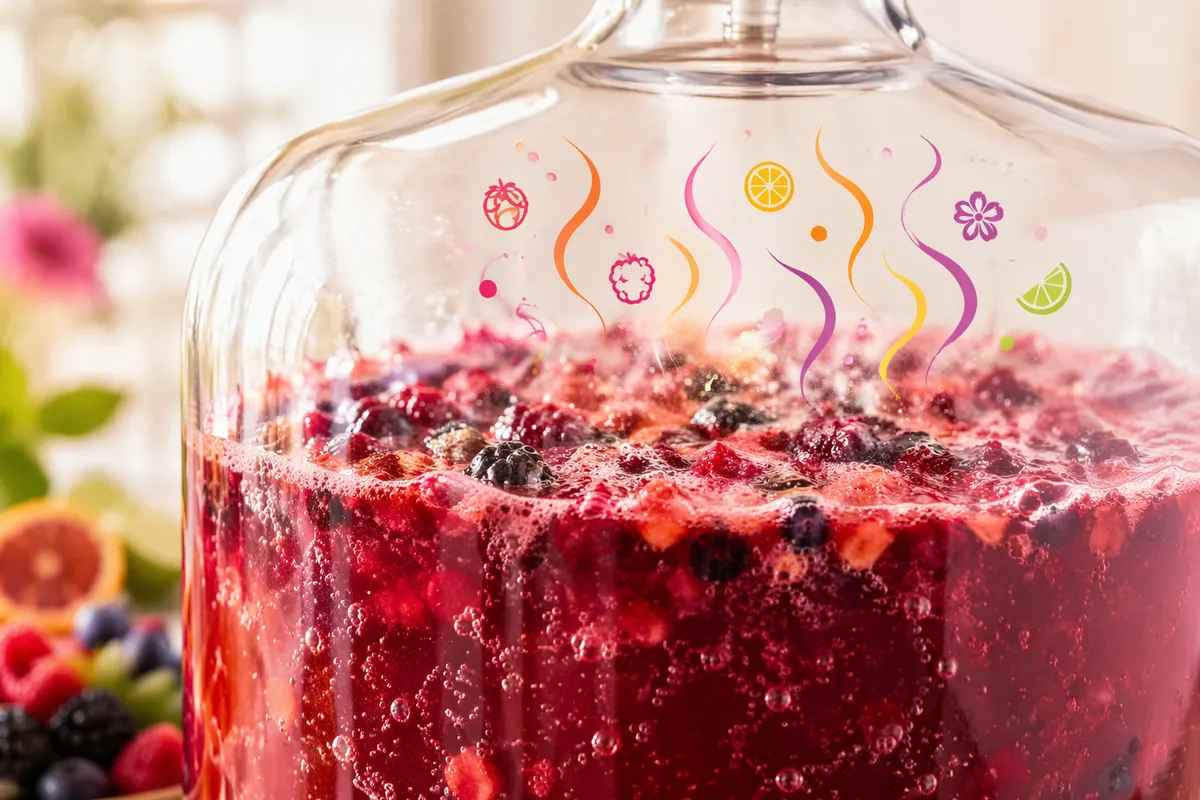
Tannin-rich skins, seeds, pomace extracts, and fruit concentrates can create astringency and haze pressure. Tannase can be evaluated to refine mouthfeel and improve downstream handling in controlled fermentation programs.
Some plant fractions contain polyphenols that interact with proteins and minerals. Tannase treatment can be part of a broader substrate-preparation strategy for fermented plant ingredients, savory bases, and functional extracts.
For ingredient manufacturers producing gallic-acid-rich or polyphenol-modified extracts, tannase provides a targeted hydrolysis route that can improve performance, sensory positioning, and specification control.
Tannase performance depends on the matrix. The same addition strategy will not behave identically in tea extract, grape pomace, coffee liquor, oak extract, or plant protein slurry.
During evaluation, Tannase Enzyme Solutions recommends screening:

For industrial use, the strongest results usually come from defining the sensory and process target first, then designing the enzyme step around that target.
A practical tannase trial should connect chemistry to process value. Useful evaluation criteria may include:
The goal is a repeatable decision: whether tannase improves the substrate enough to justify scale-up.
Tannase Enzyme Solutions supplies one enzyme category, tannase, to businesses that buy in bulk: fermentation and brewing plants, ingredient manufacturers, and distributors and resellers serving them. Every order is quoted individually against your substrate, volume and destination.
You can expect:
Tell us what substrate you are fermenting, where tannins are creating friction, the outcome you need, the quantity and the delivery destination. We reply with a matching grade and a quotation. The quickest route is the inquiry form at the bottom of this page.
Yes. Pre-fermentation conditioning is often the most practical route when tannins are expected to affect microbial performance, flavor development, or clarification.
In some systems, yes. Compatibility should be checked with the production organism, substrate, processing temperature, and desired fermentation profile.
No. Tannase modifies specific tannin structures. The application goal is usually controlled refinement, not complete removal of polyphenol identity.
No. It is also relevant in botanical extracts, plant-derived ingredients, fermented feedstocks, coffee and cocoa intermediates, and specialty polyphenol processing.
Share your substrate, process stage, the quantity you need and the delivery country, target outcome, current pain point, and any constraints around temperature, pH, filtration, or final product format.
Tell us your application and volume — we reply with pricing and lead time.
We have received your message. We will reply by email.