Application-led guidance for using tannase in tannin-rich botanical extracts to reduce harsh astringency, improve clarification, and support standardization.
Request pricingTannase helps manufacturers work with tannin-rich botanicals where astringency, haze, slow filtration, or unstable color can limit extract quality. By hydrolyzing ester-linked gallotannins and related tannin structures, tannase supports a more controlled polyphenol profile without stripping the botanical identity that gives an extract its commercial value.
For tea, oak, gallnut, grape, pomegranate, acerola, persimmon, medicinal herbs, and other polyphenol-dense materials, tannase can be used as a targeted processing aid for flavor refinement, clarification support, downstream standardization, and specialty ingredient development.
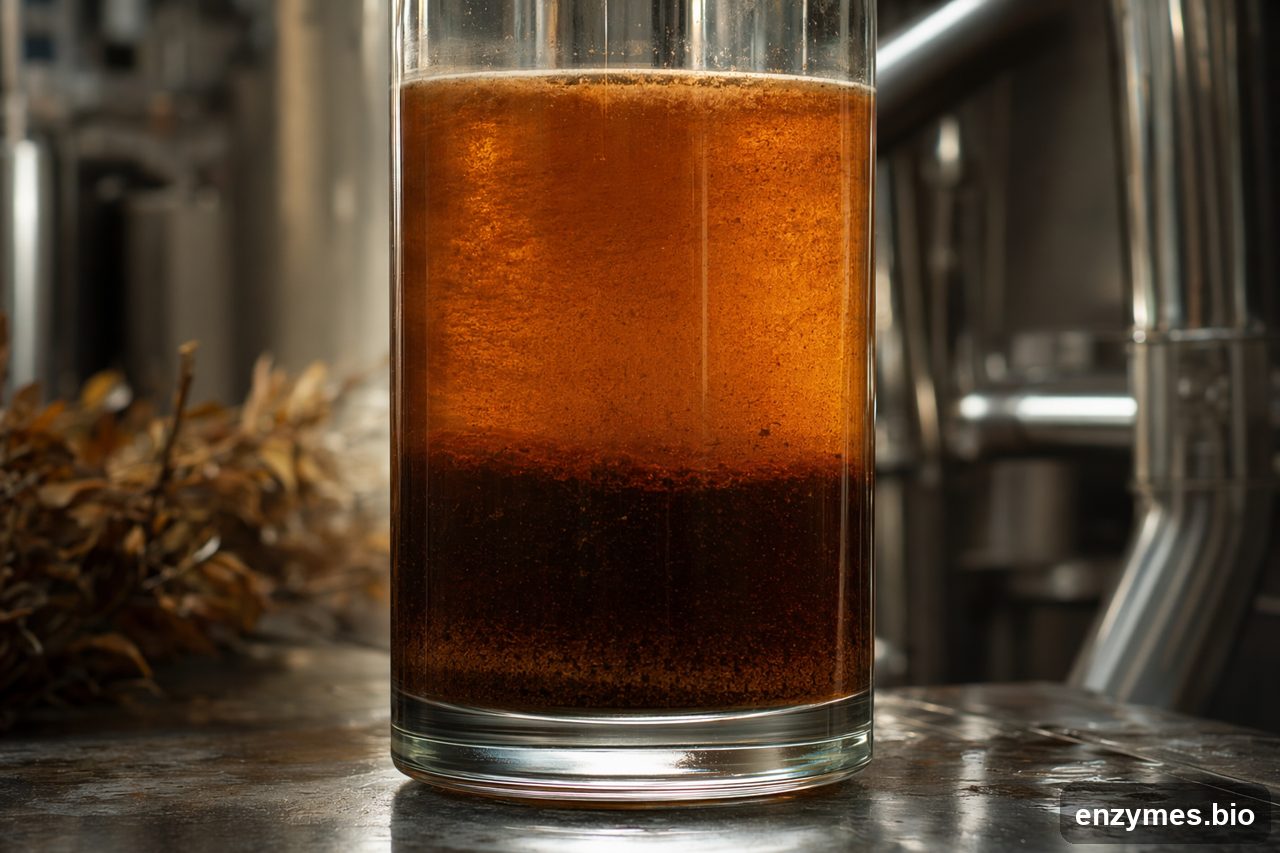
Tannins can be valuable actives, but they can also create processing friction. Excessive tannin load may bind proteins, interact with minerals, form haze, increase perceived dryness, and complicate concentration or drying.
Tannase is applied to modify selected tannin fractions so the extract becomes easier to process and easier to formulate.
Key outcomes may include:
In herbal extraction, tannase can help refine high-tannin matrices that otherwise taste aggressive or create precipitation in finished formats. It is especially relevant where extract identity must remain intact while sensory harshness is reduced.
Common use cases include:
Tea extracts can deliver valuable catechins and polyphenols, but tannin-driven haze and bitterness often create formulation limits. Tannase treatment can help soften the profile and support cleaner appearance in ready-to-drink systems, powders, and concentrates.

Potential benefits include:
Fruit botanicals can contain complex tannin structures that influence color, sediment, and sensory balance. Tannase can be used as a precision step to reduce excessive astringency while preserving the premium, polyphenol-rich character of the source material.
Relevant goals include:
Where the target is a gallic-acid-enriched profile or a controlled transformation of hydrolyzable tannins, tannase can support process development. It is not a shortcut for good extraction design, but it can become a critical conversion step in a well-controlled botanical workflow.
Tannase is typically evaluated after extraction and before final clarification, concentration, or drying. The most effective process point depends on raw material, solvent system, solids load, target profile, and downstream format.
A common development sequence:
Every botanical matrix behaves differently. Tannase Enzyme Solutions recommends bench screening before pilot scale so the process window is defined around the product objective rather than a generic addition rate.
Parameters to optimize:
The aim is not always maximum tannin breakdown. In premium extracts, the better target is controlled modification: enough conversion to improve processability and taste, while retaining the botanical structure, color, and analytical identity required by the finished product.
Tannase can reduce the hard edge of tannin-heavy extracts. This is especially useful when developing formats consumed directly, including functional beverages, shots, liquid supplements, gummies, lozenges, and sachets.
By changing tannin interactions with proteins, minerals, and colloids, tannase can support lower haze tendency and more efficient clarification. This can help reduce rework and improve batch-to-batch consistency.
High-tannin extracts can destabilize finished products, particularly in acidic beverages, mineral systems, dairy alternatives, and protein-containing formulations. Tannase treatment can help make the extract easier to blend without losing its botanical positioning.
Tannase enables more than problem-solving. It can support new extract concepts, including smoother high-polyphenol ingredients, gallic-acid-oriented profiles, and premium botanical bases designed for clean-label functional products.
Tannase performance should be evaluated against the commercial specification, not only against a single analytical marker. Recommended trial endpoints include:
For regulated ingredient programs, document the enzyme processing step, inactivation or removal strategy if applicable, and the relationship between treatment conditions and finished extract specifications.
Tell us your botanical source, extraction system, target format, and the process issue you are solving. Tannase Enzyme Solutions can help you structure a practical screening plan and quote supply for development or production.
Prefer a short technical discussion first? Use the same form and ask for process guidance before you get pricing.

Tell us your application and volume — we reply with pricing and lead time.
We have received your message. We will reply by email.